Choosing a luxury watch is rarely just about picking the most famous name. A watch can be a daily accessory, a personal milestone purchase, a piece of jewelry, or the beginning of a collection. The “best” brand depends on what you value most: recognizable design, mechanical expertise, long-term ownership, or a watch that complements your personal style. 
For women’s luxury watches, the decision can be especially complicated because the market includes everything from traditional Swiss watchmakers to jewelry houses that also create exceptional timepieces. A brand known for technical innovation may not offer the same experience as one known for design heritage, and a highly collectible watch may not be the most practical choice for everyday wear.
The strongest luxury watch brands succeed because they offer something distinctive. Some have built reputations through decades of engineering and precision. Others have transformed the watch into a piece of wearable design. Understanding those differences makes choosing a watch much easier.
The following brands represent some of the most respected names in women’s luxury watches, but they should not be viewed as a strict ranking. Each appeals to a different type of buyer.
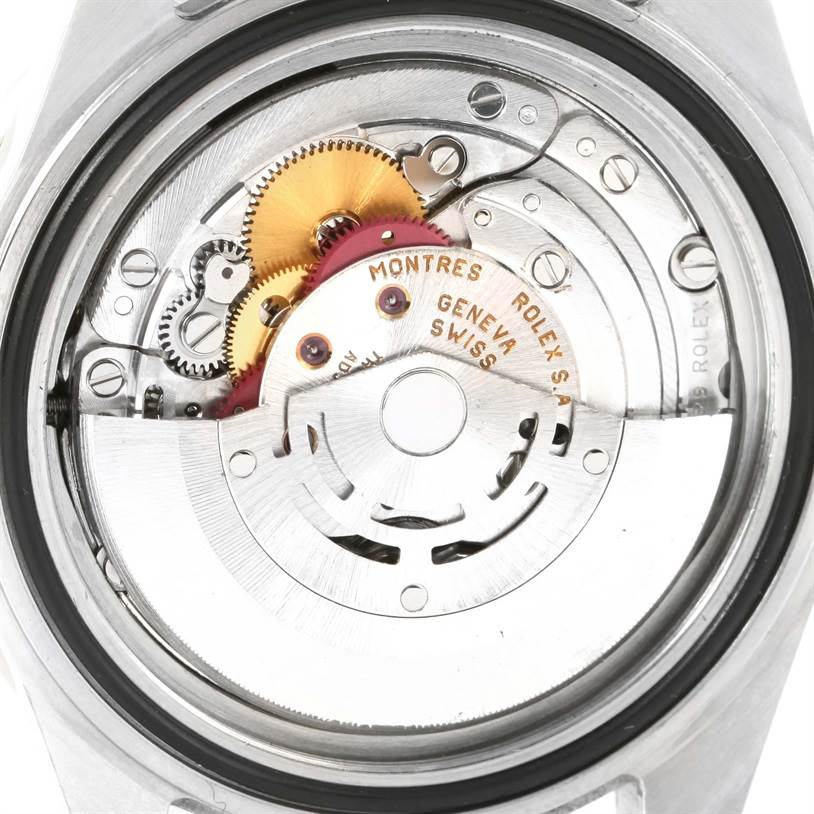
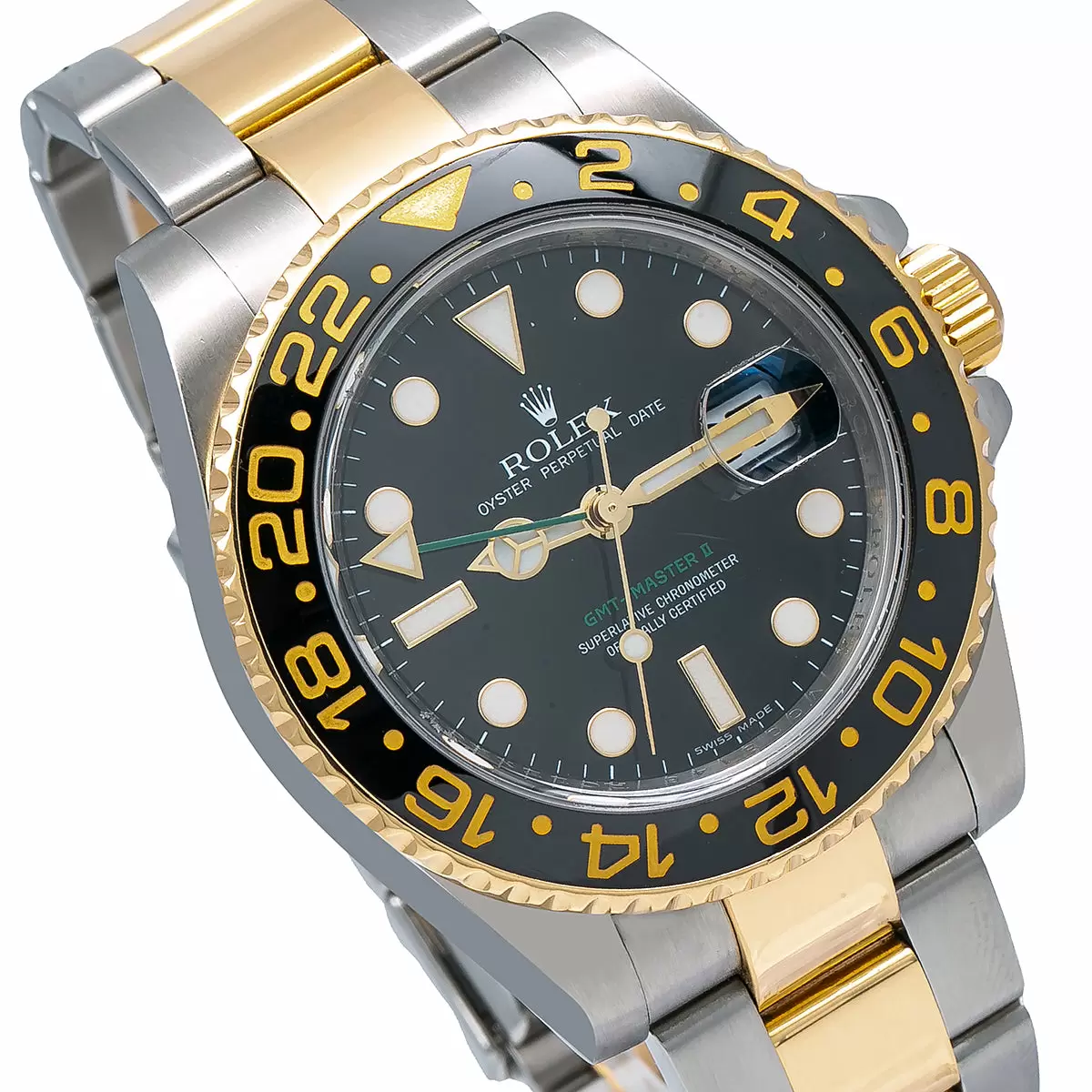
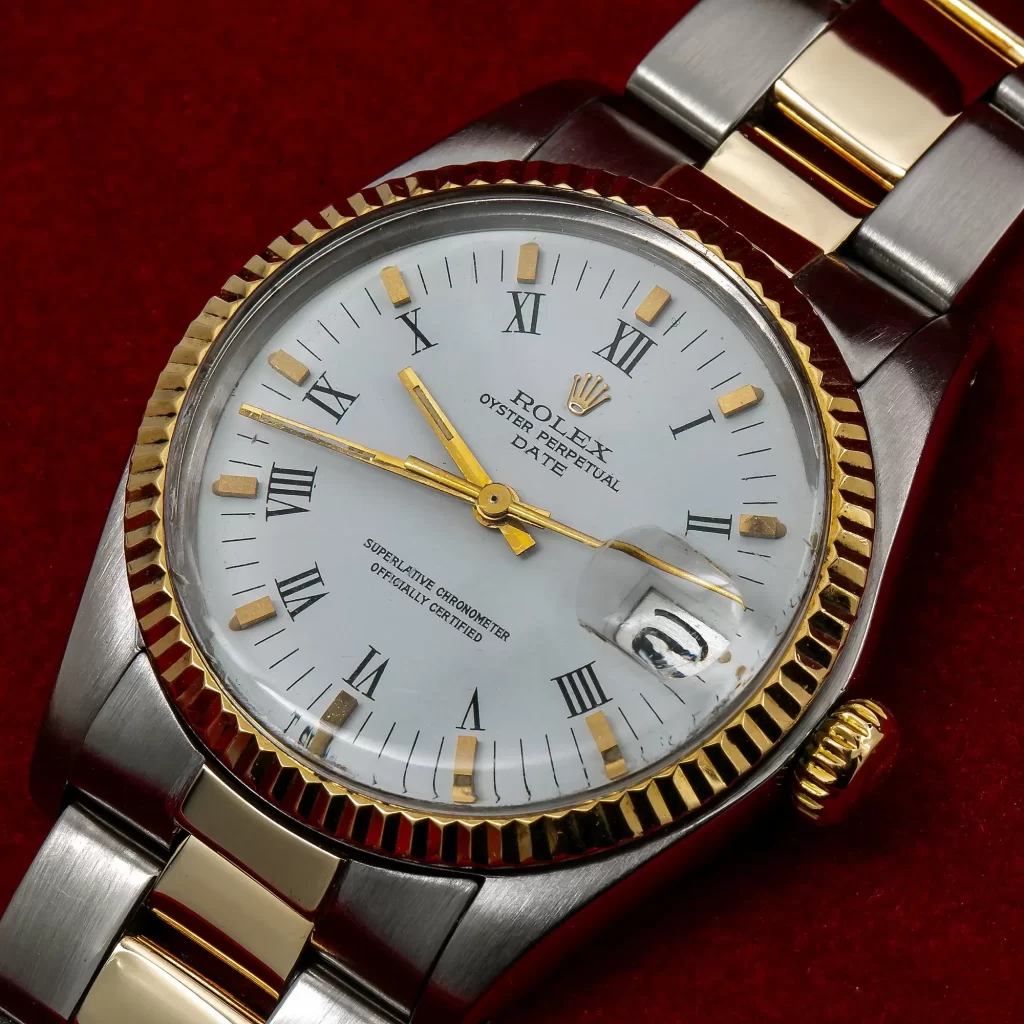
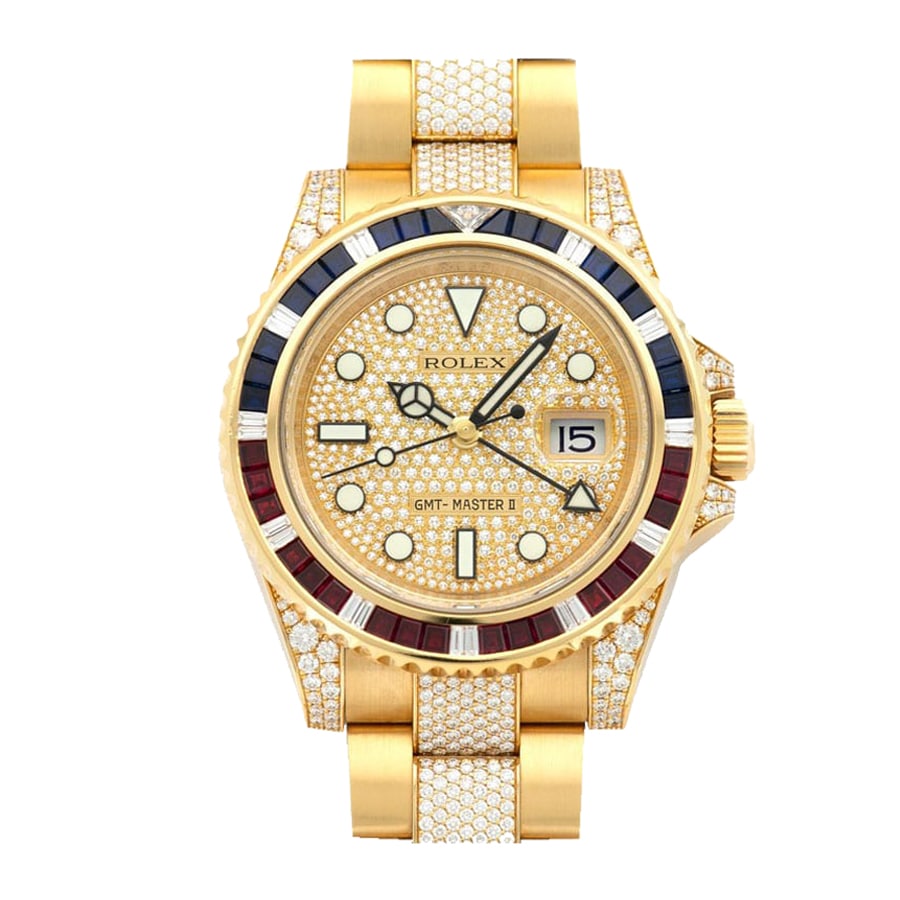
Rolex: The Most Versatile Choice for Everyday Luxury
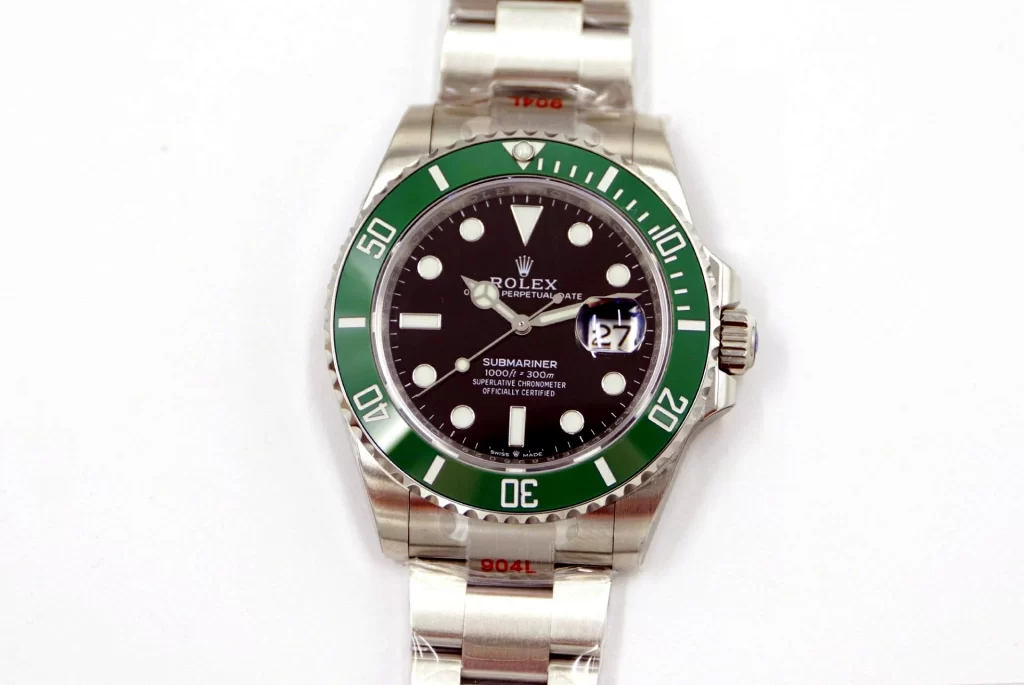
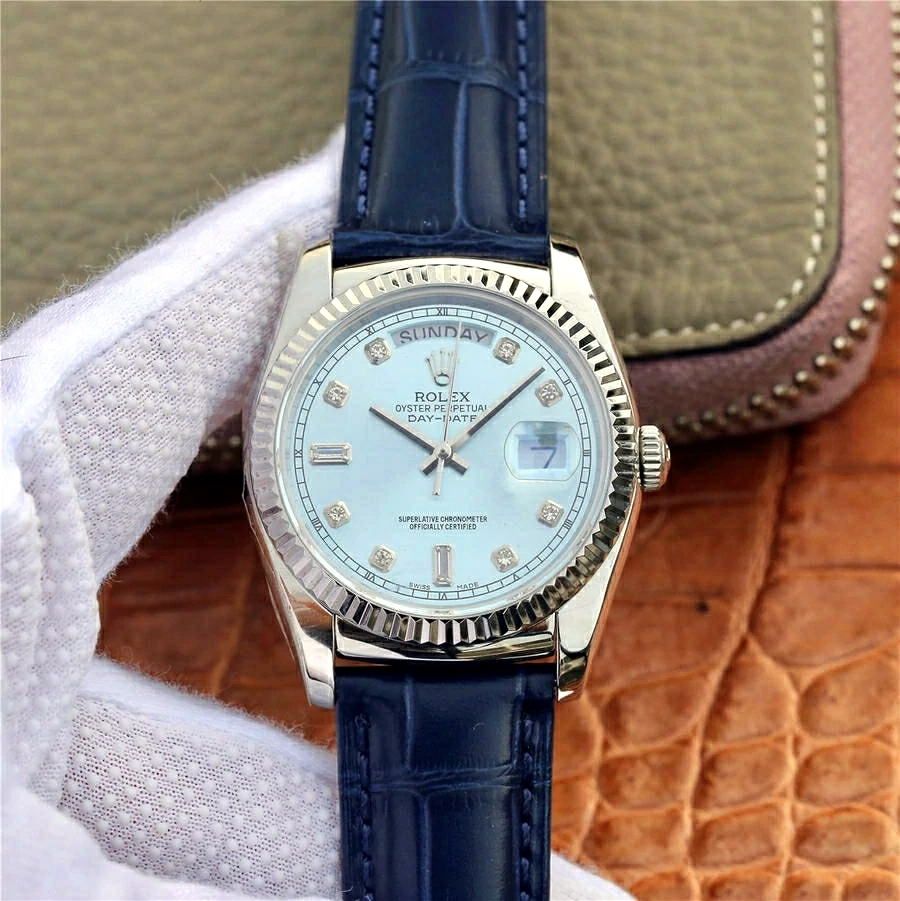
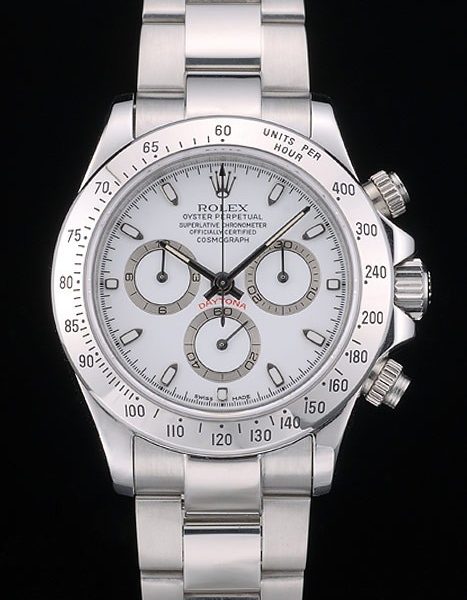
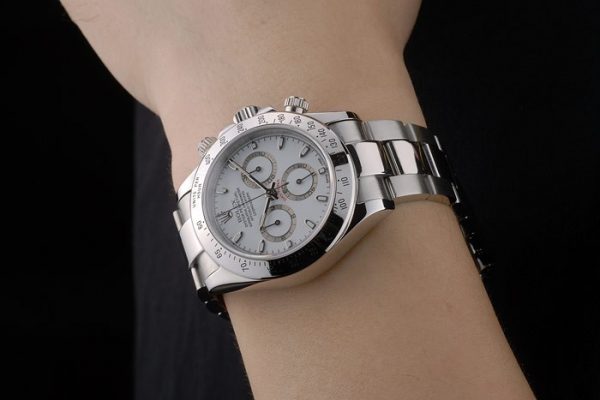
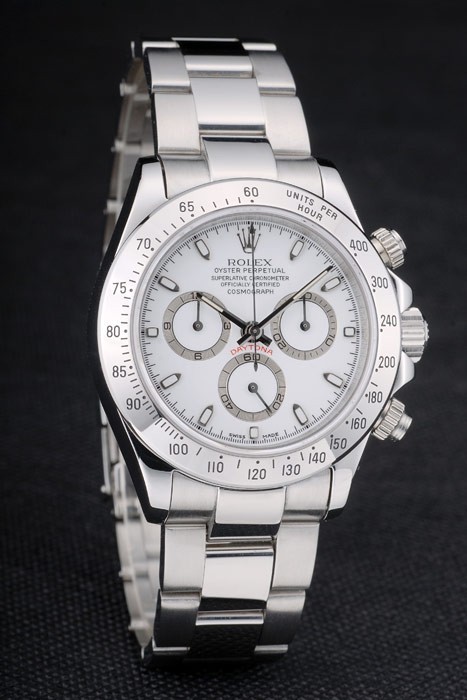
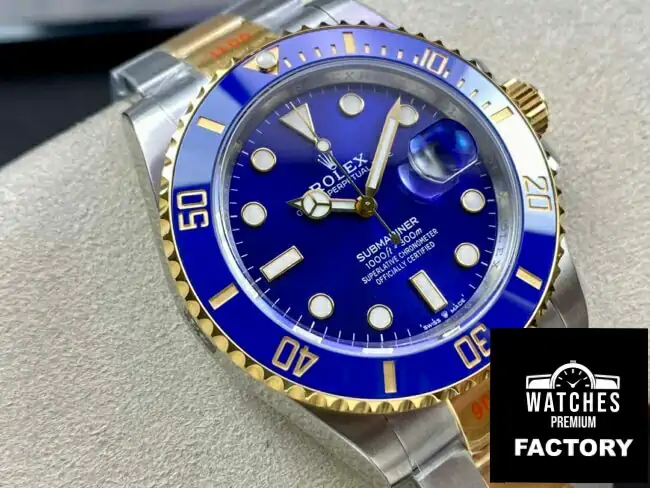
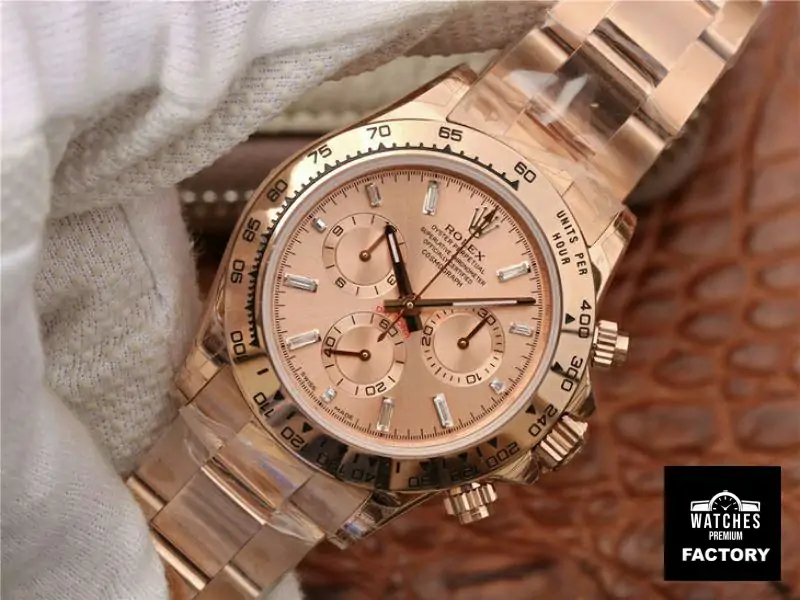
If someone wants a luxury watch that can move comfortably between professional settings, formal occasions, and everyday life, Rolex is often the first brand to consider.
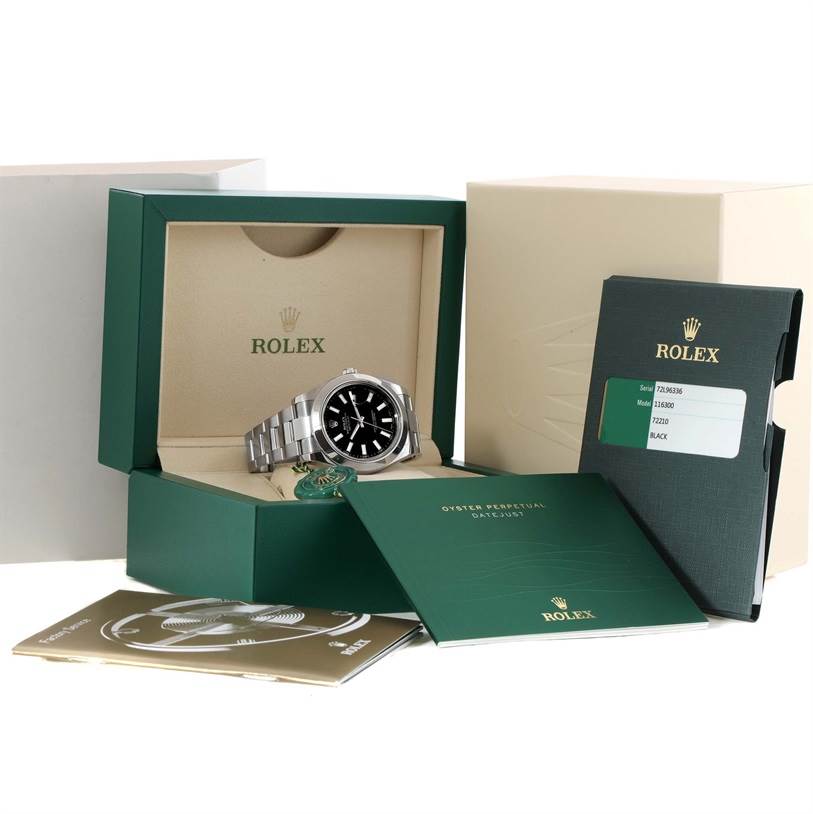
Founded in 1905, Rolex built much of its reputation around reliability, durability, and recognizable design. The company’s innovations include the development of the first waterproof wristwatch case, the Oyster, in 1926, and the first self-winding waterproof chronometer wristwatch with a date display, the Datejust, in 1945. These achievements helped establish Rolex as one of the most influential watchmakers of the modern era.
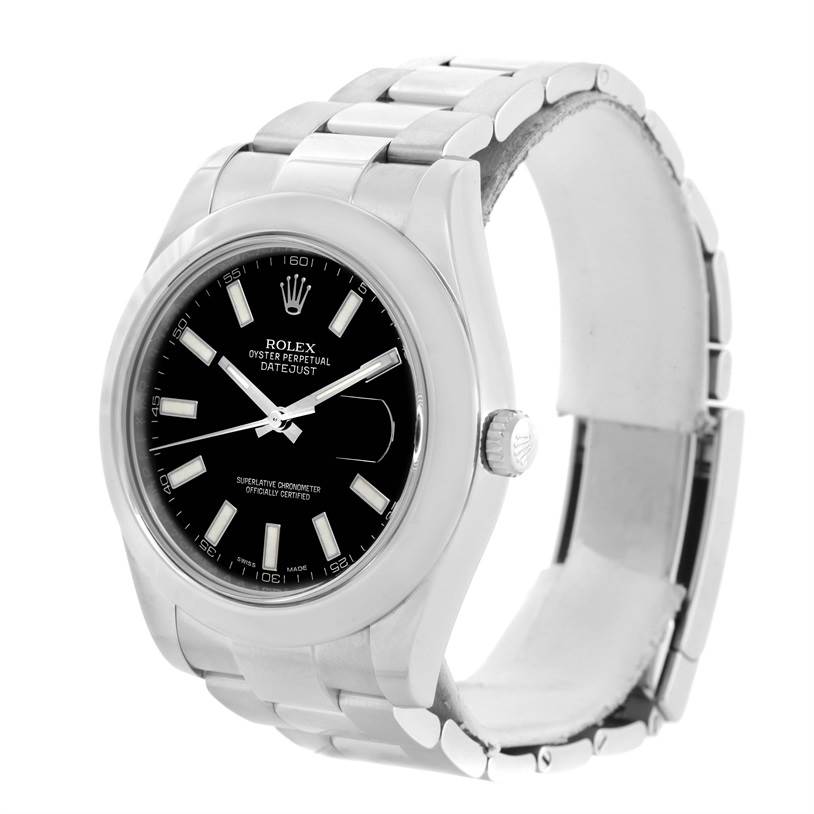
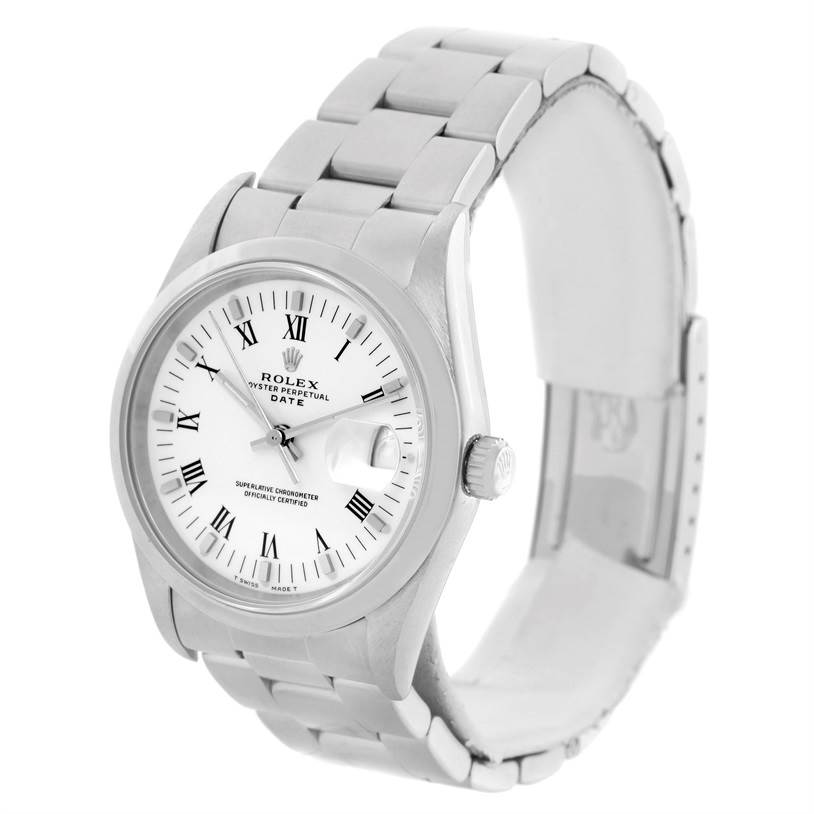
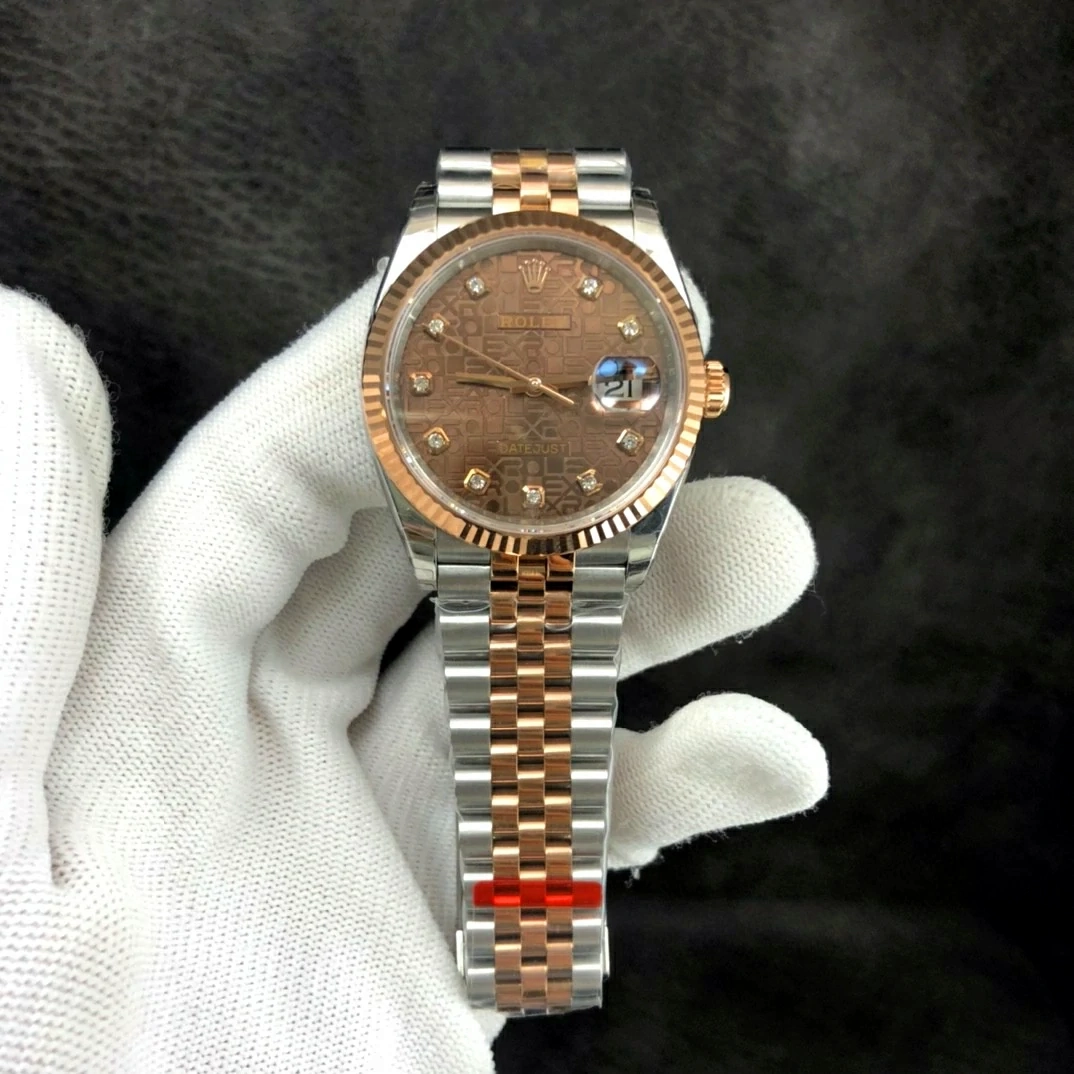
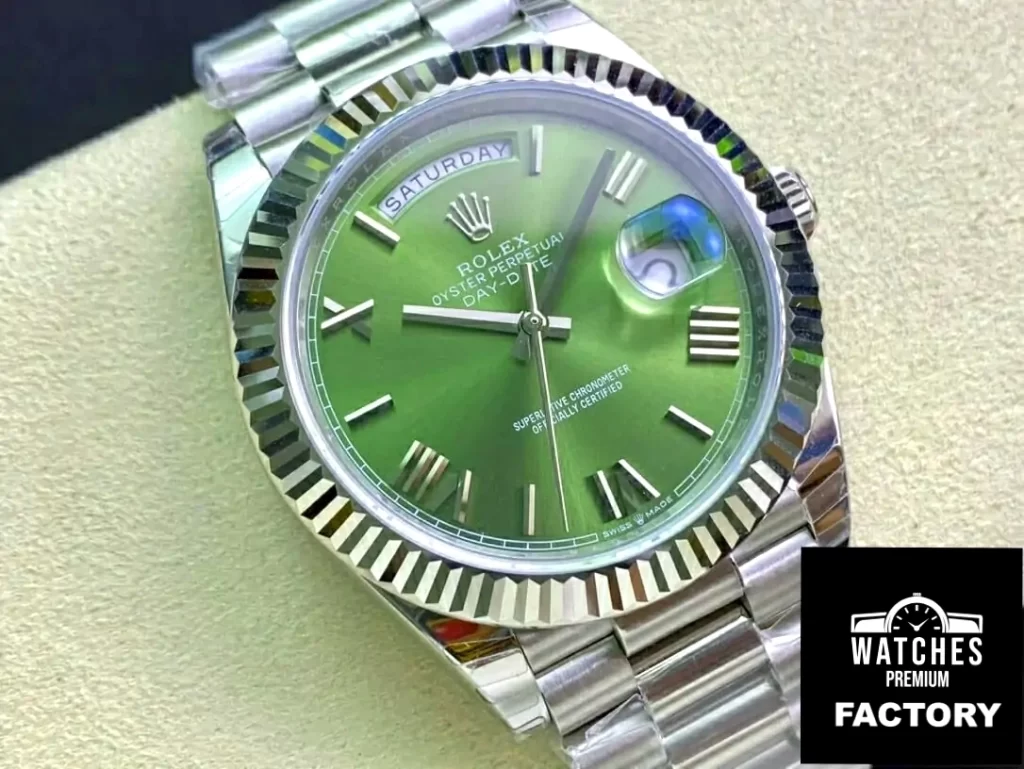
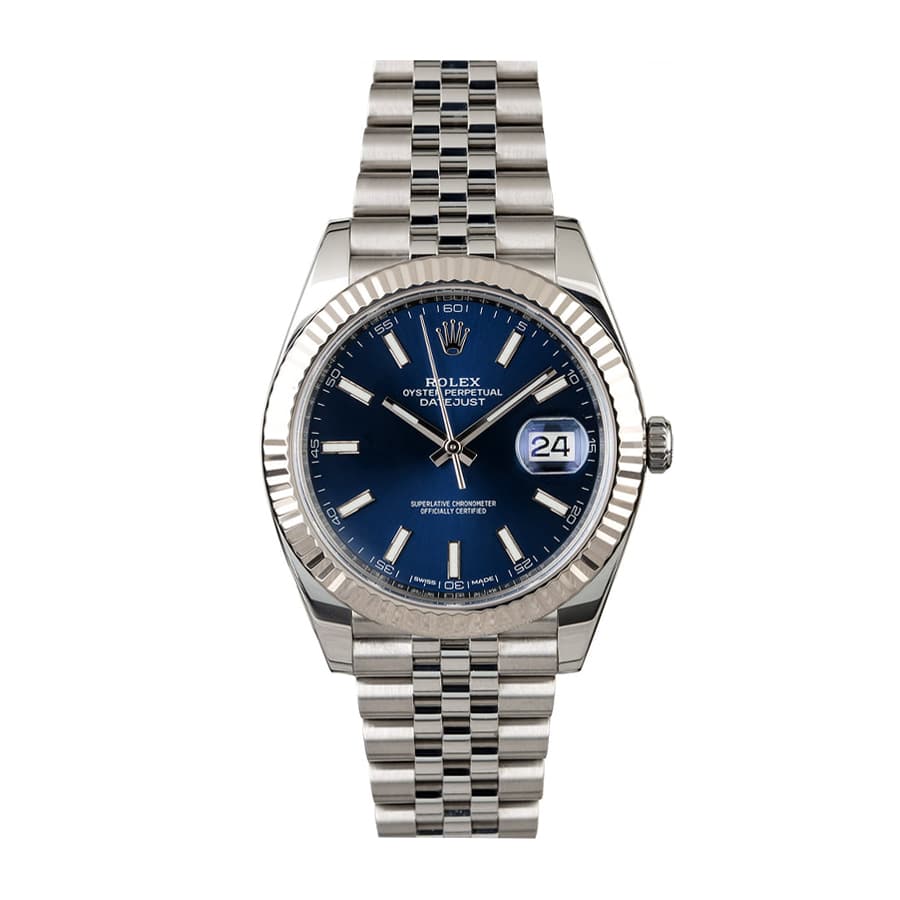
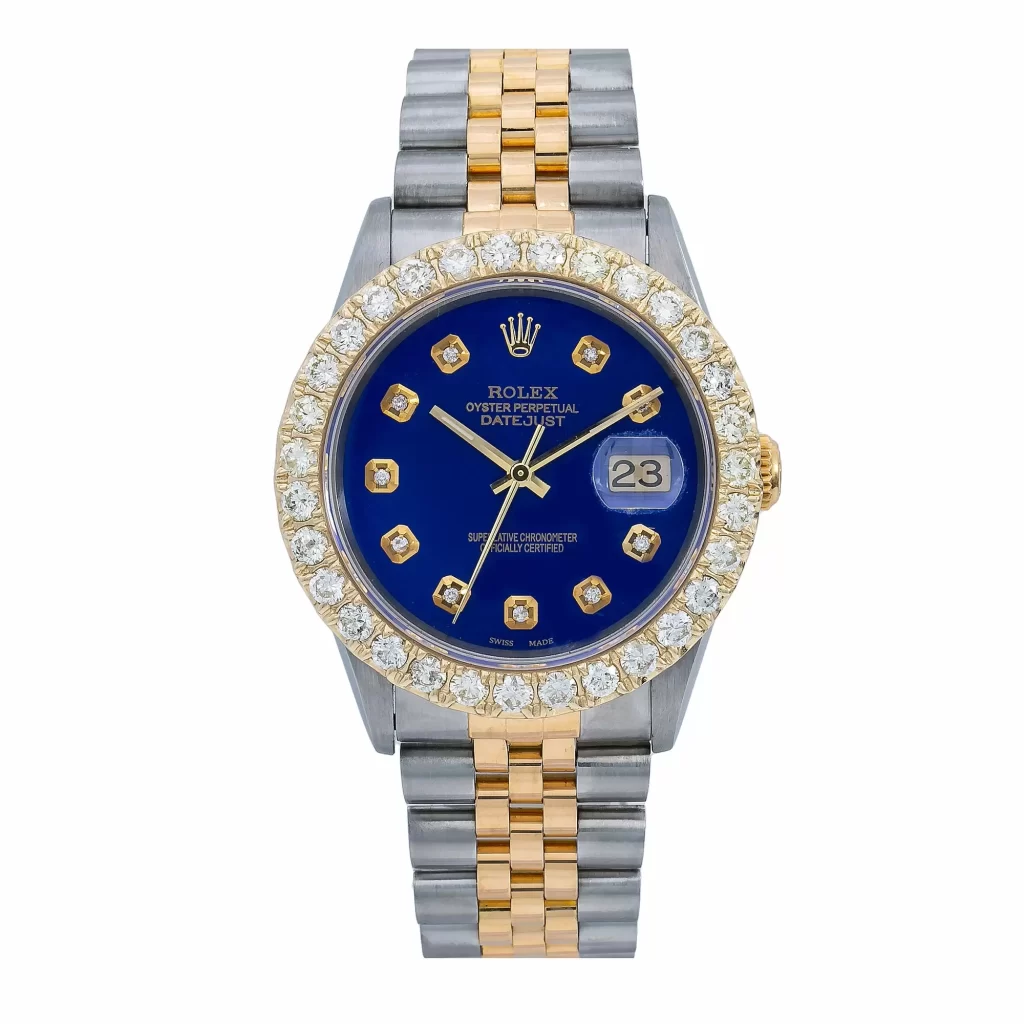
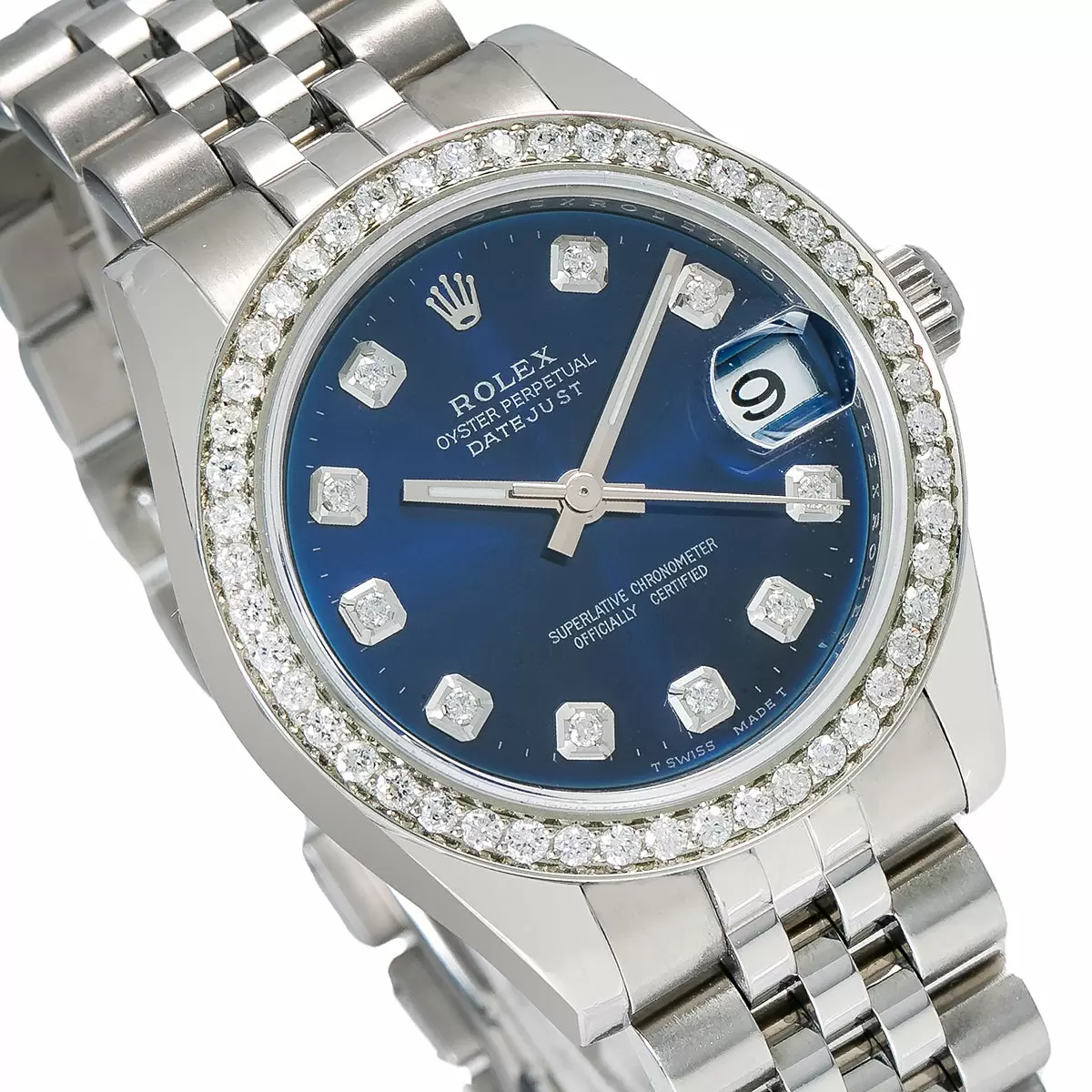
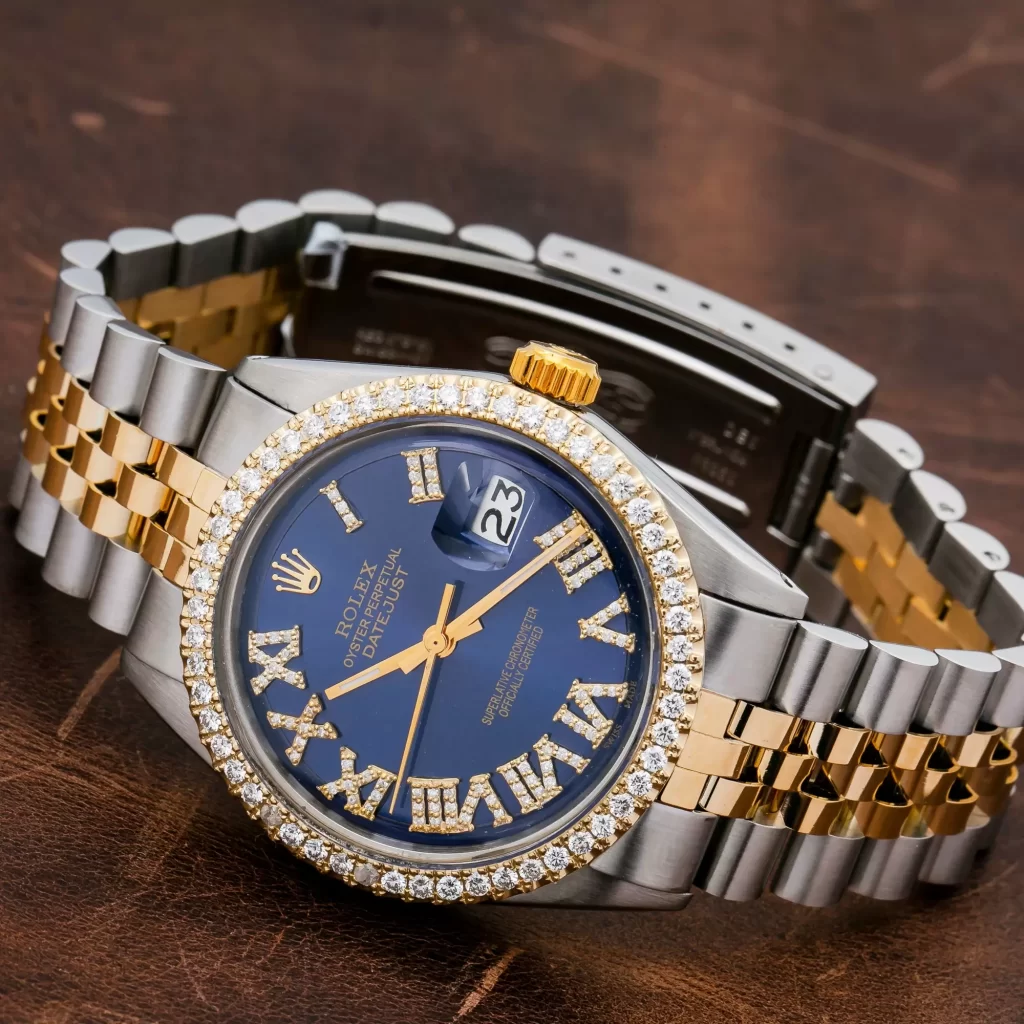
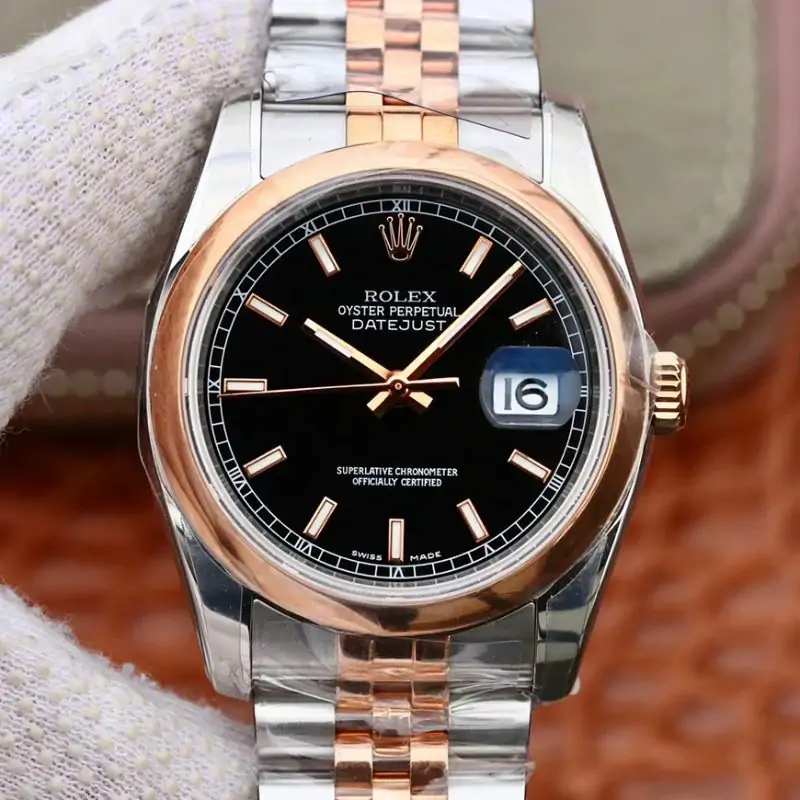
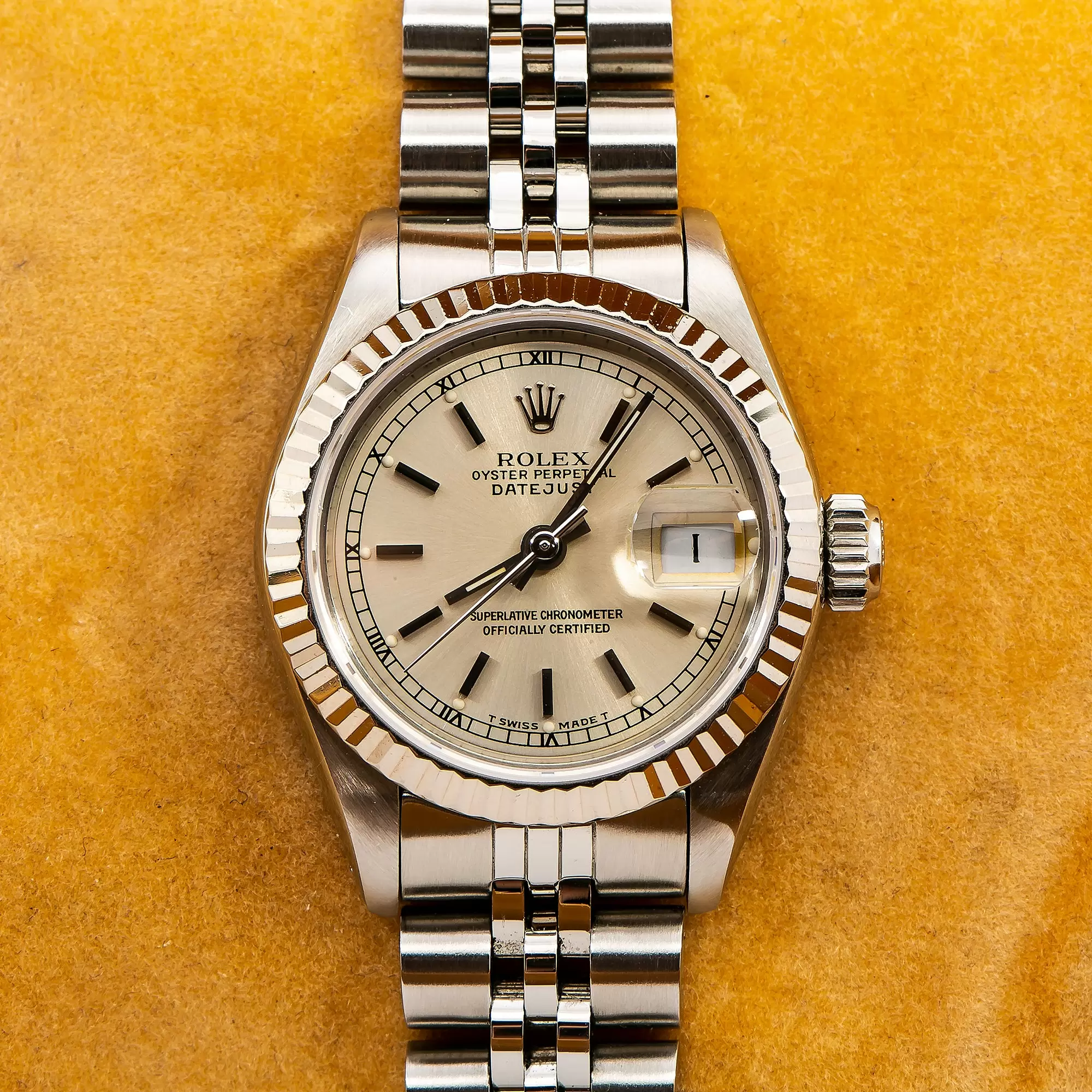
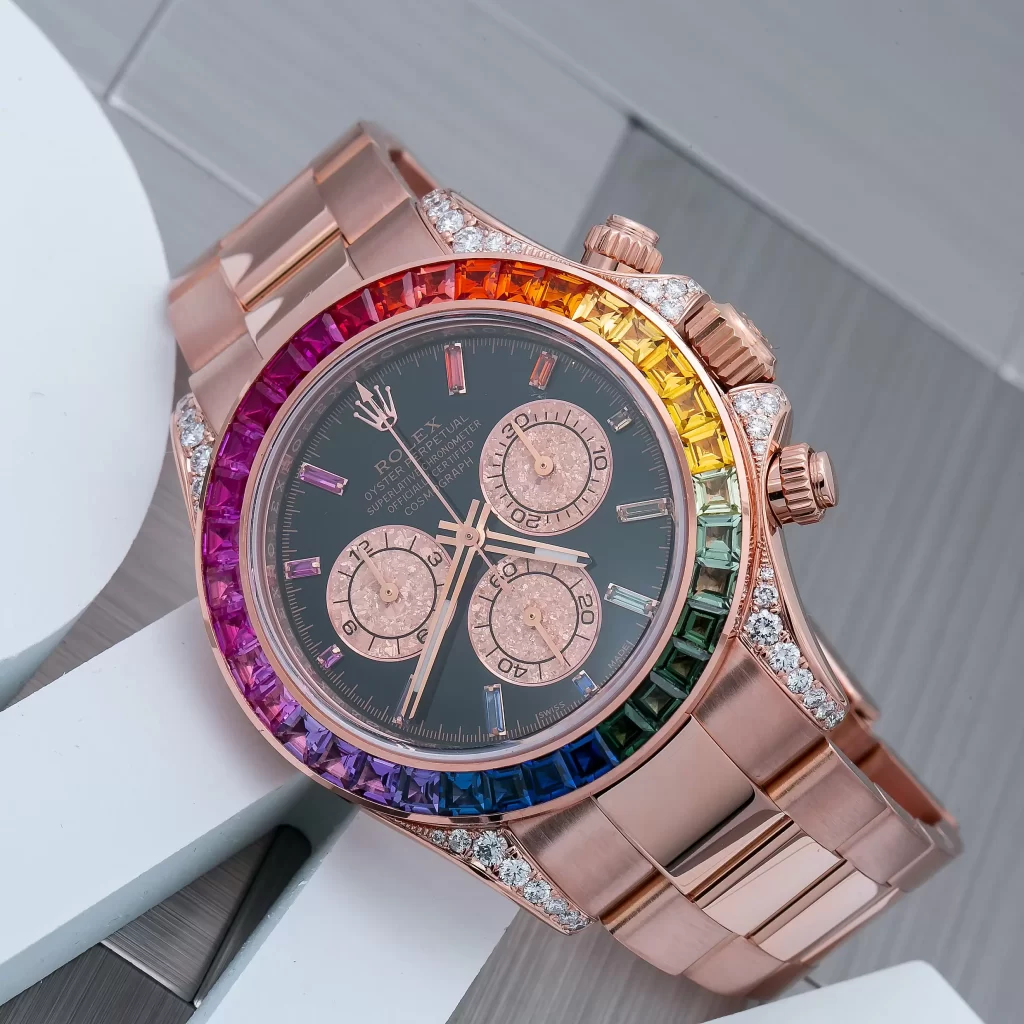
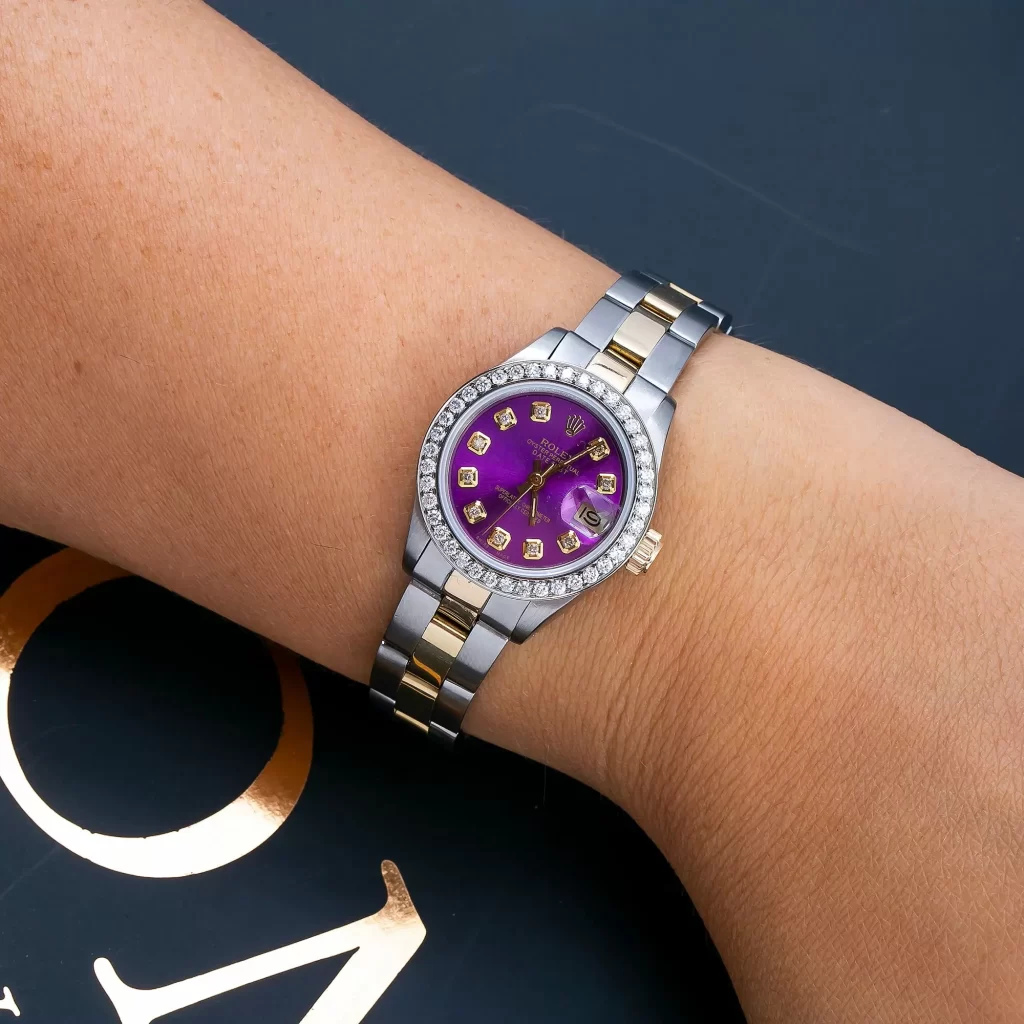
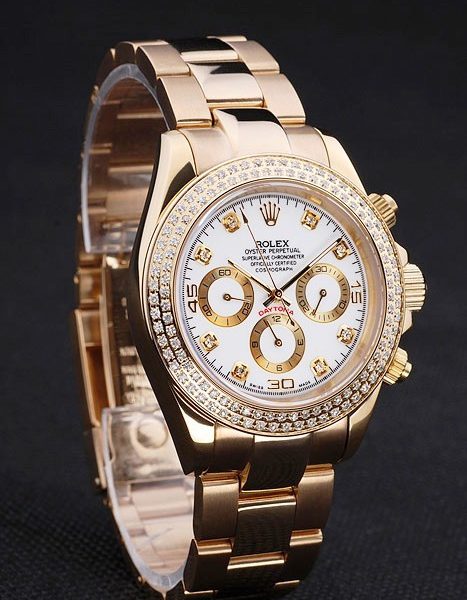
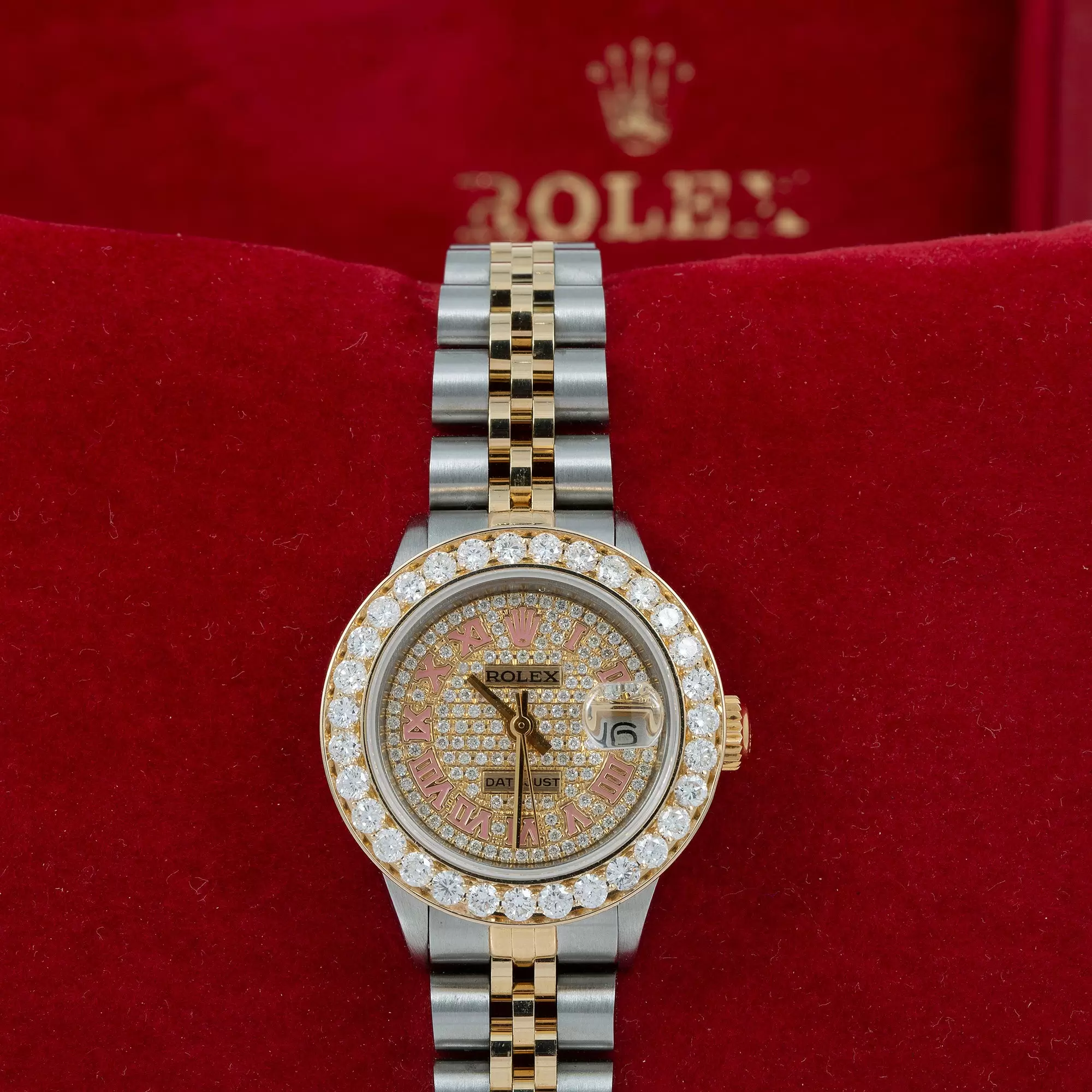
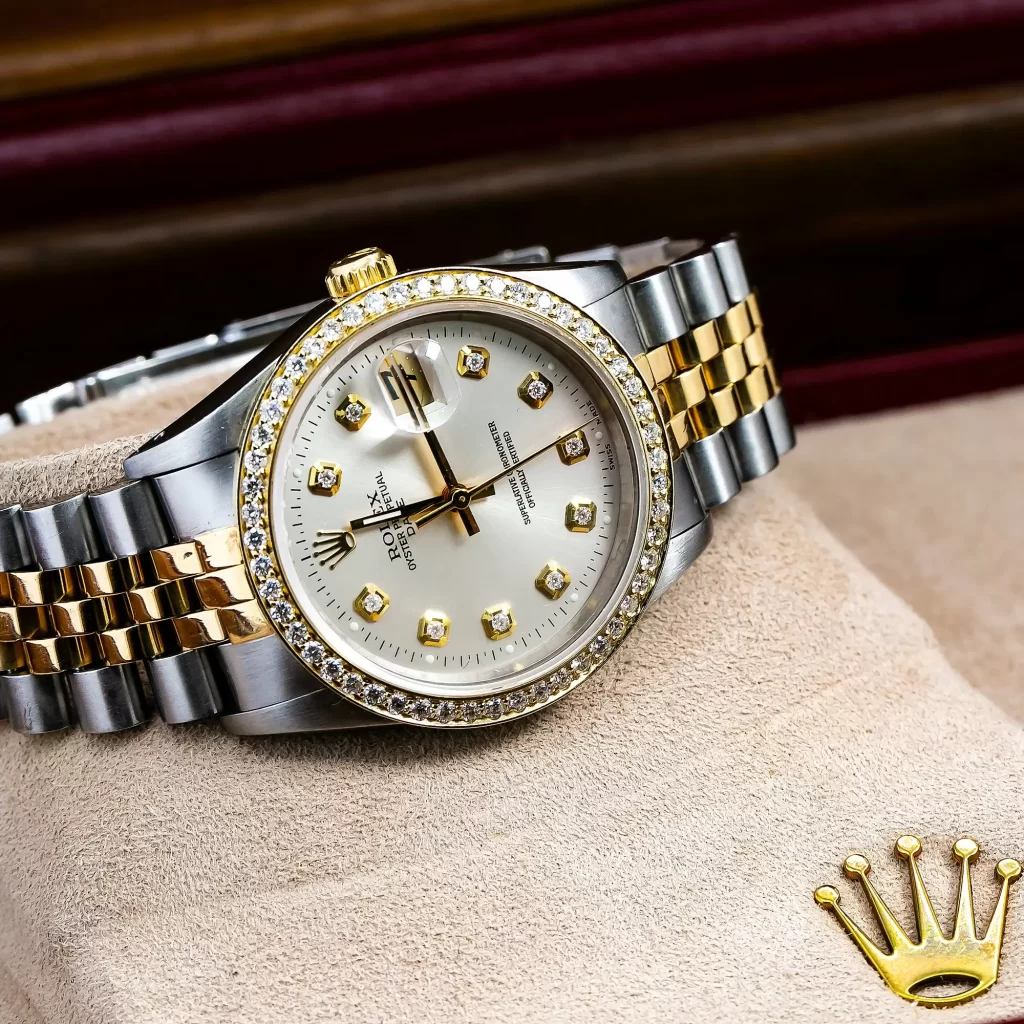
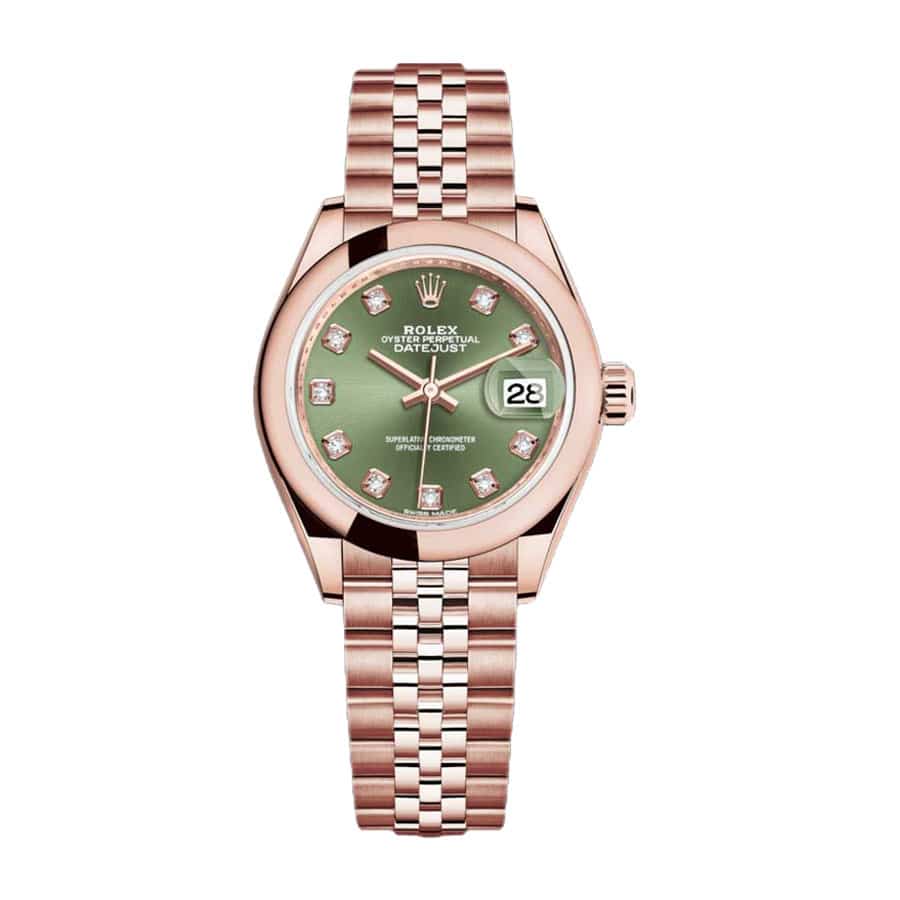
For women’s watches, the Rolex Datejust remains one of the brand’s most important models. Its appeal comes from balance: it is elegant enough for formal occasions but practical enough for daily use. Available in different case sizes, metals, dial colors, and bracelet options, the Datejust can feel understated or highly jewelry-focused depending on the configuration.
The Rolex Lady-Datejust is designed specifically with smaller proportions, while many women also choose standard Datejust models because larger watches have become increasingly popular across the industry. 
Why Rolex stands out
Rolex’s advantage is not simply brand recognition. It is the combination of:
Strong durability for everyday ownership
Globally recognized designs
Consistent resale demand compared with many luxury watches
A wide range of styles, from understated to diamond-set
However, Rolex is not necessarily the best choice for everyone. Buyers looking for artistic design, unusual case shapes, or a stronger jewelry identity may find Cartier or Bulgari more appealing.
Best for:
First-time luxury watch buyers
People who want one watch for many occasions
Buyers who value reliability and brand recognition
Cartier: The Best Choice for Design-Led Luxury
Cartier occupies a unique position because it is both a historic watchmaker and one of the world’s most influential jewelry houses.
Founded in Paris in 1847, Cartier became famous for creating distinctive shapes rather than simply following traditional round watch designs. The Cartier Tank, introduced in 1917, remains one of the most recognizable watch designs ever produced. Its rectangular case was inspired by the shape of military tanks seen during World War I, creating a style that was modern, geometric, and instantly identifiable.
For many buyers, Cartier’s appeal is not about technical specifications alone. It is about design language. A Cartier watch often functions as both a timepiece and a piece of personal style.
The Cartier Panthère is another example of this approach. Rather than emphasizing sporty performance or mechanical complexity, it reflects Cartier’s jewelry heritage through elegant lines, bracelet-like construction, and a strong visual identity.
This does not mean Cartier lacks serious watchmaking credentials. The brand produces complicated mechanical watches and has significant expertise through its Swiss manufacturing operations. However, its strongest advantage remains the ability to combine watchmaking with artistic design.
Why Cartier stands out
Cartier appeals to buyers who want:
A watch recognized for its design rather than only its movement
A piece that works as both jewelry and a timepiece
A style with strong historical character
The trade-off is that buyers primarily interested in movement technology or traditional watchmaking credentials may prefer brands such as Rolex, Omega, or Patek Philippe.
Best for:
Style-conscious buyers
Those who appreciate iconic design
People who want a luxury watch with jewelry appeal
Omega: The Strong Alternative for Technical Excellence and Daily Wear
Omega is often compared with Rolex because both brands offer highly respected Swiss watches suitable for everyday use. The difference is that Omega has built much of its identity around precision, exploration, and technical achievement.
Founded in 1848, Omega has a long history connected with professional timing. The brand’s watches have been used in Olympic timekeeping, space exploration, and underwater environments. The Omega Speedmaster became famous as the first watch worn on the Moon during NASA’s Apollo 11 mission in 1969.
For women’s watches, Omega’s strongest offerings often come from the Omega Constellation and Omega Seamaster Aqua Terra families.
The Constellation is the more jewelry-oriented option, known for its distinctive claws on the bezel and refined styling. The Aqua Terra offers a sportier alternative, combining water resistance and everyday versatility with a cleaner design.
Omega also stands out for its movement technology. Many modern Omega watches use Co-Axial escapements and Master Chronometer-certified movements, which are tested for accuracy, magnetic resistance, and performance according to standards established with the Swiss Federal Institute of Metrology (METAS). 
Why Omega stands out
Omega is especially attractive for buyers who want:
Advanced mechanical technology
Strong history without the same level of market premium as Rolex
A luxury watch suitable for active lifestyles
Its lower resale prices compared with Rolex can actually benefit buyers who prioritize value at purchase rather than future appreciation.
Best for:
Buyers who appreciate engineering
Everyday wear with a technical edge
Those seeking an alternative to Rolex
Audemars Piguet: For Buyers Who Want Bold Design and Haute Horlogerie
Audemars Piguet occupies a different category from brands such as Rolex and Omega. While those brands are often chosen for versatility and everyday reliability, Audemars Piguet appeals to buyers who want a more distinctive collector’s watch with strong mechanical credentials.
Founded in 1875 in Switzerland’s Vallée de Joux, Audemars Piguet is one of the few remaining independent Swiss watchmakers. The company became internationally famous with the introduction of the Audemars Piguet Royal Oak in 1972. Designed by Gérald Genta, the Royal Oak challenged traditional ideas about luxury watches by combining a stainless-steel case, integrated bracelet, and high-end finishing.
The model was originally considered unconventional because luxury watches at the time were generally associated with precious metals and formal styling. Today, the Royal Oak is considered one of the most influential designs in modern watchmaking.
For women, the Royal Oak collection offers versions that range from subtle steel models to diamond-set pieces. The appeal is not simply that the watch is expensive; it is that the design is immediately recognizable to enthusiasts.
Why Audemars Piguet stands out
Audemars Piguet is best understood as a collector-focused brand. Its strengths include:
Highly finished mechanical movements
Strong design identity
A connection to modern watchmaking history
Limited production compared with mass-market luxury brands
However, this exclusivity also means it may not be the easiest first luxury watch. The bold shape and sporty design are not suited to every wardrobe, and availability can be challenging for certain models.
Best for:
Experienced watch buyers
Collectors who value design history
Those who want something less conventional than Rolex or Cartier
Bulgari: Where Jewelry Heritage Meets Modern Watchmaking
Bulgari approaches luxury watches from a different perspective. Unlike traditional Swiss watchmakers that began with clocks and precision instruments, Bulgari developed its reputation through fine jewelry.
Founded in Rome in 1884, Bulgari became known for bold gemstone designs, colorful combinations, and a distinctive Italian aesthetic. Its watches often carry that same design philosophy, making them particularly appealing to buyers who view a watch as part of their overall style.
The Bulgari Serpenti is perhaps the clearest example. Inspired by the serpent motif that has appeared throughout Bulgari’s jewelry history, Serpenti watches often blur the boundary between watch and jewelry. They are designed to be noticed.
At the other end of the spectrum, the Bulgari Octo Finissimo demonstrates the brand’s technical ambitions. The collection has achieved multiple world records for ultra-thin mechanical watches, showing that Bulgari is not only focused on decorative design.
Why Bulgari stands out
Bulgari is a strong choice for buyers who want:
A luxury watch with a stronger fashion identity
Jewelry-inspired design
Italian creativity combined with Swiss watchmaking expertise
The consideration is that Bulgari’s appeal is more style-driven than traditional watchmaking-driven. A collector primarily interested in movement history may look elsewhere.
Best for:
Jewelry-focused buyers
Those who prefer distinctive designs
Anyone looking for something different from conventional Swiss watch styles
Piaget: The Choice for Elegance and Ultra-Thin Watchmaking
Piaget is one of the strongest choices for buyers who appreciate refinement, slim proportions, and understated luxury.
Founded in Switzerland in 1874, Piaget originally specialized in watch movements before becoming known for elegant dress watches and jewelry. The brand’s expertise in ultra-thin movements became one of its defining characteristics.
The Piaget Altiplano represents this philosophy. Its extremely slim profile gives it a refined appearance that works especially well with formal clothing and minimalist personal style.
Piaget also has a strong jewelry identity through collections such as Piaget Possession, which reflects the company’s ability to combine watchmaking with decorative design.
Unlike larger sports-watch brands, Piaget does not compete primarily through recognition or ruggedness. Its appeal is quieter: elegance, craftsmanship, and proportion.
Why Piaget stands out
Piaget is ideal for buyers who value:
Slim, elegant watches
Traditional Swiss craftsmanship
A more discreet expression of luxury
The trade-off is that its designs may appeal less to buyers seeking a sporty everyday watch or strong resale performance.
Best for:
Formal occasions
Minimalist style
Collectors interested in refined watchmaking
Patek Philippe: The Collector’s Choice for Long-Term Watchmaking Heritage
Patek Philippe represents the highest level of traditional Swiss watchmaking for many collectors.
Founded in Geneva in 1839, the company has built its reputation around complicated mechanical watches, hand finishing, and limited production. Unlike brands that focus on broad accessibility, Patek Philippe has traditionally positioned itself as a maker of exceptional pieces produced in relatively small quantities.
For women, the Patek Philippe Twenty~4 is one of the brand’s most recognizable modern collections. Introduced in 1999, it was designed specifically for contemporary women and offers a more accessible entry point into the Patek Philippe world.
The Patek Philippe Nautilus has also attracted significant attention, including women’s versions that combine sporty styling with high-end finishing.
Why Patek Philippe stands out
Patek Philippe appeals because of:
Exceptional mechanical craftsmanship
Long-standing collector reputation
Strong emphasis on traditional watchmaking
However, it is important to understand that prestige does not automatically mean suitability. A highly complicated watch may not be practical for someone who simply wants a reliable daily piece.
Best for:
Serious collectors
Buyers interested in watchmaking history
Those seeking a potential heirloom piece
Chanel: For Buyers Who Want Fashion Heritage With Real Watchmaking Substance
Chanel is not the first name many people associate with serious watchmaking, but dismissing the brand as only a fashion label overlooks how significantly it has developed its watch division.
The house entered watchmaking in 1987 with the Première, a watch inspired by Chanel’s design codes rather than traditional watchmaking conventions. Its most important modern success, however, is the Chanel J12, introduced in 2000.
The J12 changed perceptions of what a fashion house could achieve in watchmaking. Its black ceramic case and sporty silhouette gave Chanel a distinctive position in the luxury watch market. The collection later expanded with white ceramic versions and mechanical movements, including the Caliber 12.1, a self-winding movement produced for Chanel and certified by the Swiss Official Chronometer Testing Institute (COSC).
What makes Chanel different is the combination of visual identity and technical development. Many luxury watches are recognized because of their movement or heritage; Chanel watches are often recognized instantly because of their design.
Why Chanel stands out
Chanel is a strong option for buyers who want:
A watch connected to fashion and personal style
A distinctive design that is not overly traditional
Modern materials such as ceramic
A balance between jewelry appeal and mechanical watchmaking
The limitation is that Chanel does not have the same collector history as brands such as Patek Philippe or Audemars Piguet. Buyers focused primarily on traditional horological prestige may prefer a dedicated watchmaker.
Best for:
Fashion-conscious buyers
Those who want a recognizable but unconventional design
Buyers who see a watch as part of their overall style
Tudor: The Practical Choice for Accessible Swiss Luxury
Tudor occupies an interesting position because it offers much of the reliability associated with Swiss luxury watchmaking at a lower price point than many prestige brands.
Founded in 1926 and established by Rolex founder Hans Wilsdorf, Tudor was created to offer dependable watches at a more accessible level. Over time, the brand developed its own identity, particularly through tool watches such as the Black Bay collection.
Although Tudor has historically been associated with sports watches, recent collections have expanded its appeal among women. Models such as the Tudor Black Bay 31 and Tudor Royal provide smaller case sizes and more versatile styling.
Tudor’s advantage is practicality. It offers strong build quality, modern movements, and a more relaxed ownership experience than some highly sought-after luxury brands.
Why Tudor stands out
Tudor works well for buyers who want:
Swiss mechanical quality without entering the highest price categories
A durable everyday watch
A brand with strong heritage but less obvious status signaling
Its trade-off is brand recognition. Outside watch enthusiasts, Tudor does not carry the same immediate recognition as Rolex or Cartier.
Best for:
First luxury mechanical watch buyers
Everyday wear
Buyers who value function over prestige
Van Cleef & Arpels: When a Watch Becomes a Piece of Art
Van Cleef & Arpels approaches watchmaking from an artistic perspective. Like Bulgari and Cartier, the brand’s foundation is jewelry, but its watches often move beyond traditional timekeeping into the world of miniature craftsmanship.
Founded in Paris in 1906, Van Cleef & Arpels is known for its use of gemstones, poetic themes, and intricate decorative techniques. Its Van Cleef & Arpels Lady Arpels watches often incorporate techniques such as enamel, gemstone setting, and miniature painting.
The brand’s famous Van Cleef & Arpels Pont des Amoureux is an example of how the company treats watchmaking as storytelling. Instead of focusing only on accuracy or mechanical complexity, these watches create emotional connections through design.
Why Van Cleef & Arpels stands out
This brand is ideal for buyers who value:
Artistic craftsmanship
Rare decorative techniques
Watches that function as collectible objects
However, it serves a different purpose from brands such as Rolex or Omega. It is less about having a daily luxury watch and more about owning something exceptional.
Best for:
Art and jewelry enthusiasts
Collectors seeking unique pieces
Buyers looking beyond traditional watch categories
How to Choose the Right Luxury Watch Brand
There is no universal “best” women’s luxury watch brand. The right choice depends on what role you want the watch to play.
| If your priority is… | Consider brands such as… | Why |
|---|---|---|
| One luxury watch for everyday use | Rolex, Omega | Reliable, versatile designs |
| A recognizable style statement | Cartier, Chanel, Bulgari | Strong design identity |
| Traditional watchmaking prestige | Patek Philippe, Audemars Piguet | Collector-focused craftsmanship |
| Jewelry and artistic expression | Van Cleef & Arpels, Bulgari | Decorative creativity |
| Practical mechanical luxury | Tudor, Omega | Strong value and durability |
Before buying, consider three questions:
1. Will you wear it every day or only occasionally?
A delicate diamond-set dress watch may be beautiful but less practical for daily use. A steel sports watch may offer greater versatility.
2. Do you care about resale value?
Some brands historically perform better on the secondary market, but this can change with trends, production decisions, and economic conditions. A watch should primarily be something you enjoy owning rather than an assumed investment.
3. Are you buying a watch or a piece of personal style?
This distinction matters. 
A Rolex Datejust represents reliability and recognition. A Cartier Tank represents design heritage. A Van Cleef & Arpels creation represents artistic craftsmanship. All are excellent choices, but they communicate different ideas.
The best women’s luxury watches are not defined only by price or prestige. They succeed because they offer something meaningful: engineering excellence, historical importance, distinctive design, or artistic expression.
For many buyers, Rolex remains the safest all-around choice because of its versatility and recognition. Cartier is often the stronger option for those who value design. Omega offers impressive technical ability, while brands such as Patek Philippe and Audemars Piguet appeal to serious collectors.
The most satisfying purchase is usually the watch that matches how you actually live. A luxury watch should not simply represent a famous name; it should reflect your taste, your priorities, and the moments you want it to accompany.